Verified Athletics

Establishing a design foundation for a growing B2B SaaS platform

Design Systems & Operations Product Design & UX Architecture Brand Identity & Design–Dev Alignment

Role

Design Systems & Product Lead

Timeline

2024–2025

Scope

Design system implementation, multi-dashboard integration, brand refresh

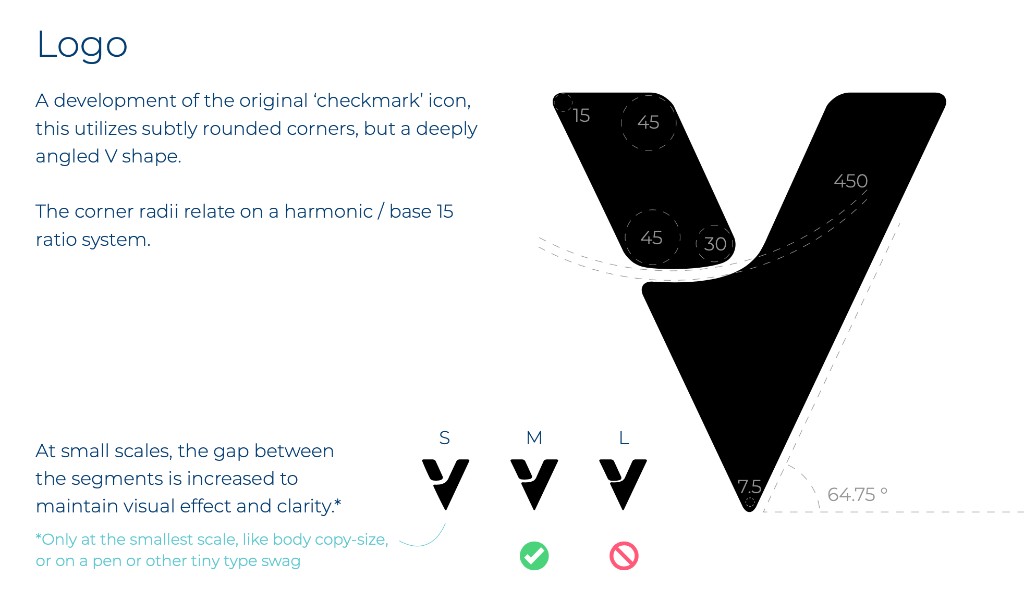
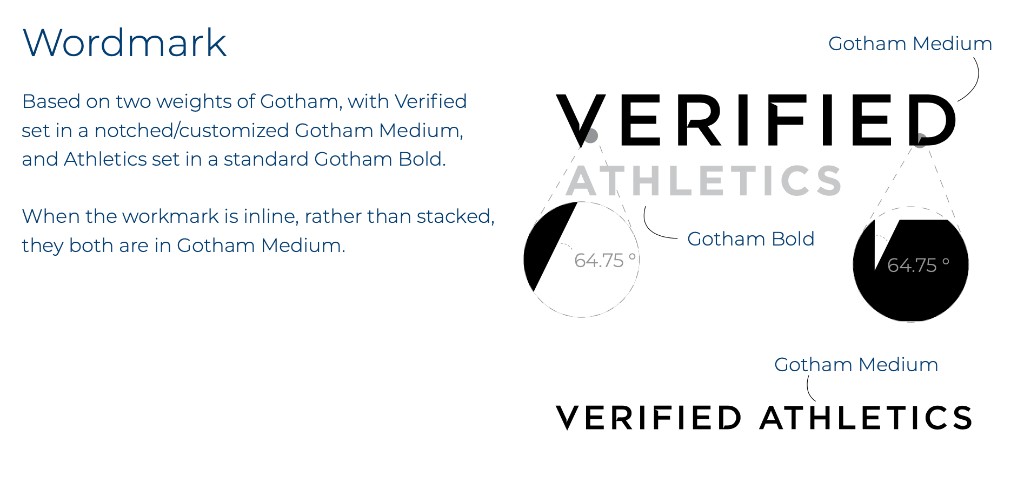
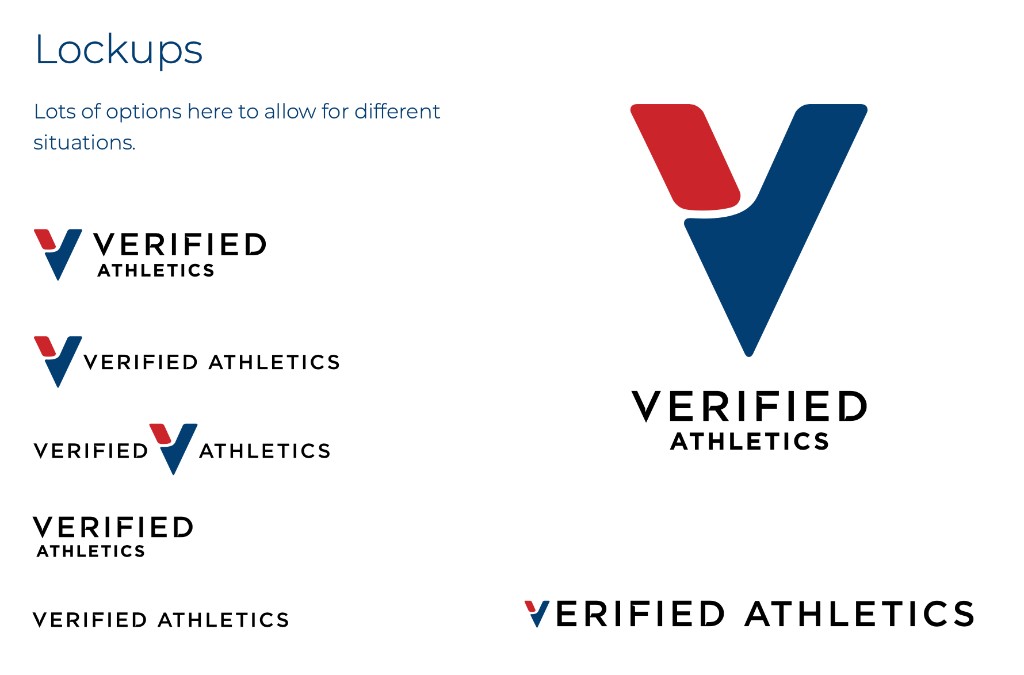
Old and refreshed Verified Athletics logos

Verified Athletics

Verified Athletics had been building a data platform for college recruiters for eight years — without a cohesive design system. Multiple dashboards, inconsistent styles, and duplicated code were slowing the team down.

When I joined, another designer had been contributing UI work for several months, focused primarily on page-level feature design. I entered to address the broader structural issues — unifying the product experience, building a sustainable system underneath it, and leading the brand refresh that would tie product and marketing together.

The immediate goal was pragmatic: launch new features that merged three separate recruiter dashboards into one. Once that shipped, I shifted to branding — preparing a refreshed identity ahead of their January trade show while ensuring the new design language would extend directly into the evolving product.

Making decisions with limited input

With no design documentation or governance, I established a fast, transparent workflow. Figma served as the main decision space for UX feedback, while inline code comments and roadmap.md notes in Cursor captured rationale for each design change. When data was limited, I optimized for scalability — every decision had to reduce future rework and fit within a maintainable system.

Prioritization

The founder’s immediate pain was maintaining different site versions for each sport — costly and unsustainable. I prioritized unifying those experiences first, designing adaptable layouts and shared components that supported all user types. Once stable, we tackled the brand: not for aesthetics, but to create cohesion between product and marketing and to prepare consistent assets for the upcoming trade show.

Communicating with non-designers

Most collaboration happened directly in the dev workflow. I shipped updates through Git branches with design intent embedded as code comments Cursor could interpret.

Constraints

  • Time: MVP and rebrand had to land before a major trade show.
  • Legacy sprawl: Three overlapping dashboards to merge quickly.
  • No documentation: Every standard had to be reverse-engineered.
  • Lean team: One founder/PM, acting as Cursor developer, two designers working asynchronously.
  • New toolchain: Designing directly in Cursor and Git for real-time parity.

Project Images

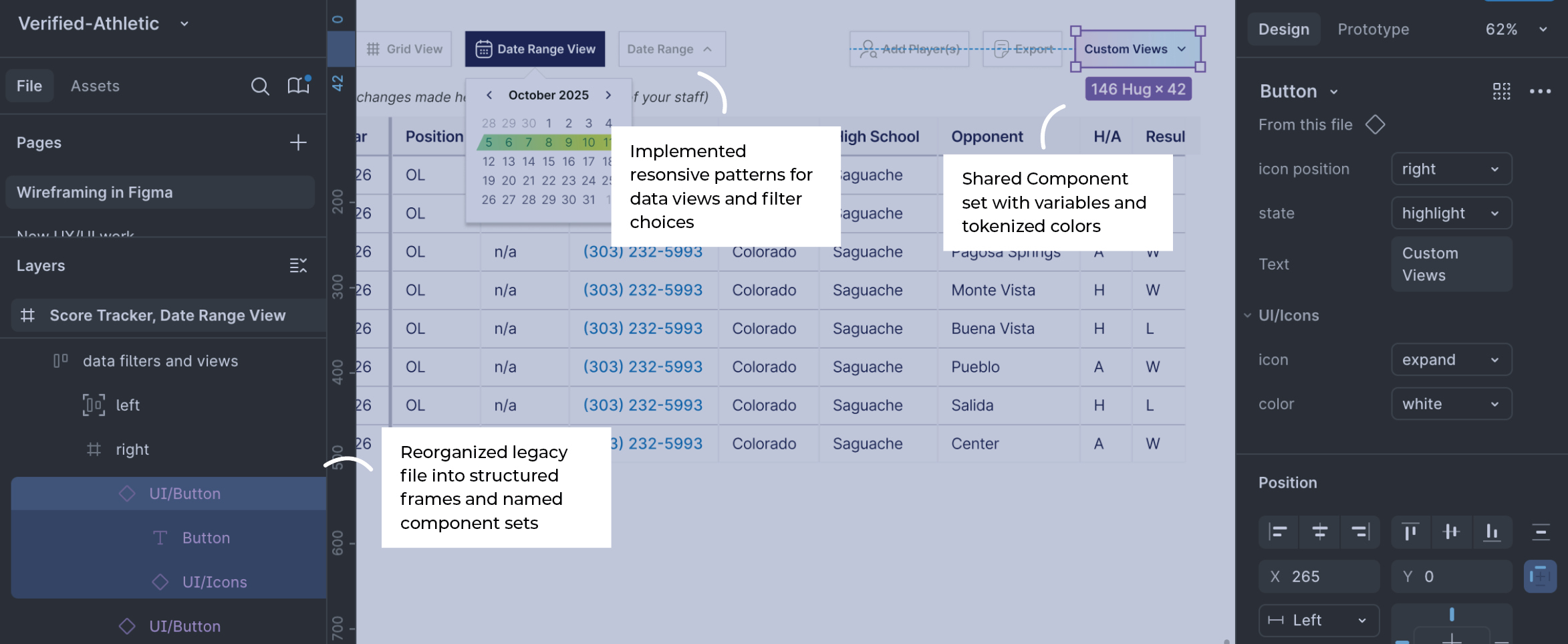
Figma file showing structured component sets and responsive patterns

Systemizing the product UI inside Figma with component sets, variables, and shared filters.

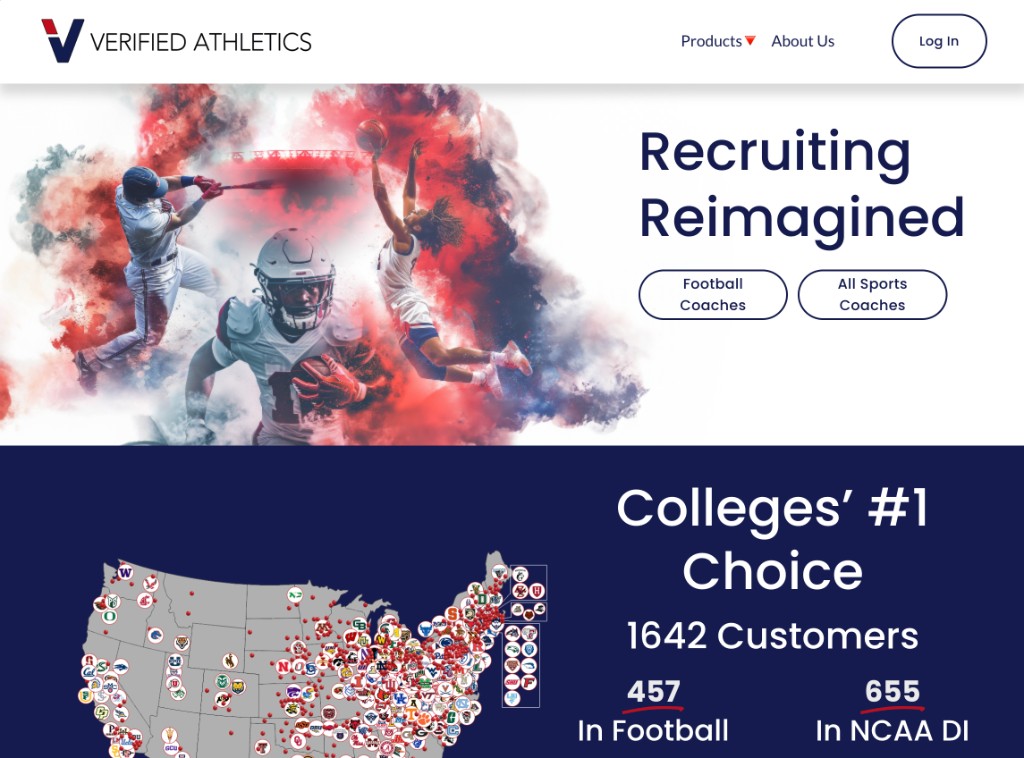
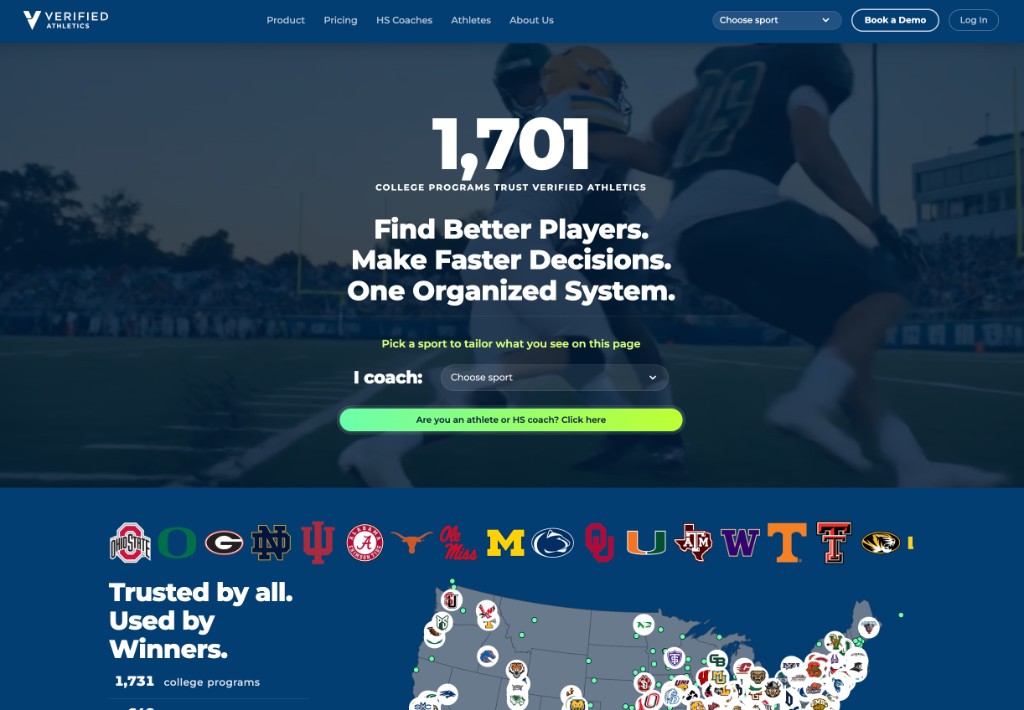
Before and after comparison of the Verified Athletics marketing site

Reimagined marketing pages aligning the refreshed brand with product storytelling.

Outcomes

  • Unified three recruiter dashboards into a single scalable interface.
  • Implemented a modernized brand system.
  • Built the company’s first reusable Figma component library and multi-category design tokens to ensure visual and behavioral consistency.
  • Began developing an internal design-linting framework to flag inconsistencies between Figma and live UI — part of an ongoing effort to maintain design–dev parity.

This project represents the first step toward design maturity for a small SaaS team — turning a fragmented product into a unified system that can scale faster and more consistently.